
In the world of work, many choose a fixed-term seasonal contract (CDD), mainly in sectors such as tourism, hospitality, or agriculture. The reality is that this type of contract can sometimes prove unsatisfactory for either party involved. The employee may wish to change jobs midway, or the employer may not be satisfied with the employee’s performance. In these cases, you need to know the appropriate procedures to terminate a seasonal CDD.
Seasonal CDD: commitments and specifics
Now let’s turn to a more technical aspect, the precise term of ‘termination of seasonal contract’. This is a situation that can arise for various reasons and requires a thorough understanding of legal procedures.
First of all, it should be noted that the termination of a seasonal contract can normally only occur at the end of the term set by it. However, there are a few exceptions: in the case of mutual agreement between the two parties (employer and employee), or if the worker can justify a permanent position elsewhere.
The ‘termination of seasonal contract’ must be formalized in writing, usually via a registered letter with acknowledgment of receipt. Whether it is the employer or the employee who initiates this process, the other party must be informed of this decision.
If it is the employer who initiates this ‘termination of seasonal contract’, without prior agreement or concrete proposal of a permanent job to the concerned employee; then they will be obliged to pay a compensatory indemnity related to the early termination of the contract.
For their part, if the employee initiates the termination of the seasonal contract before its expiration and without valid justification (such as a permanent job), they could be held financially responsible according to the contractual provisions specifically set up for this type of professional situation.
After successfully completing these essential administrative steps during a ‘termination of seasonal contract’, certain official documents must be provided to the workers: notably a certificate detailing their professional experience as well as a Pôle Emploi certificate potentially allowing the seasonal worker to be compensated during their unemployment periods corresponding to the off-seasons.
Finally, let’s remember: regardless of the reason behind this ‘termination of seasonal contract’, both employers and employees have a vested interest in remaining vigilant regarding the strict compliance with regulations governing not only their implementation but also their early termination. Non-compliance with the specific conditions related to these situations could lead to disputes that may be brought before the labor court.
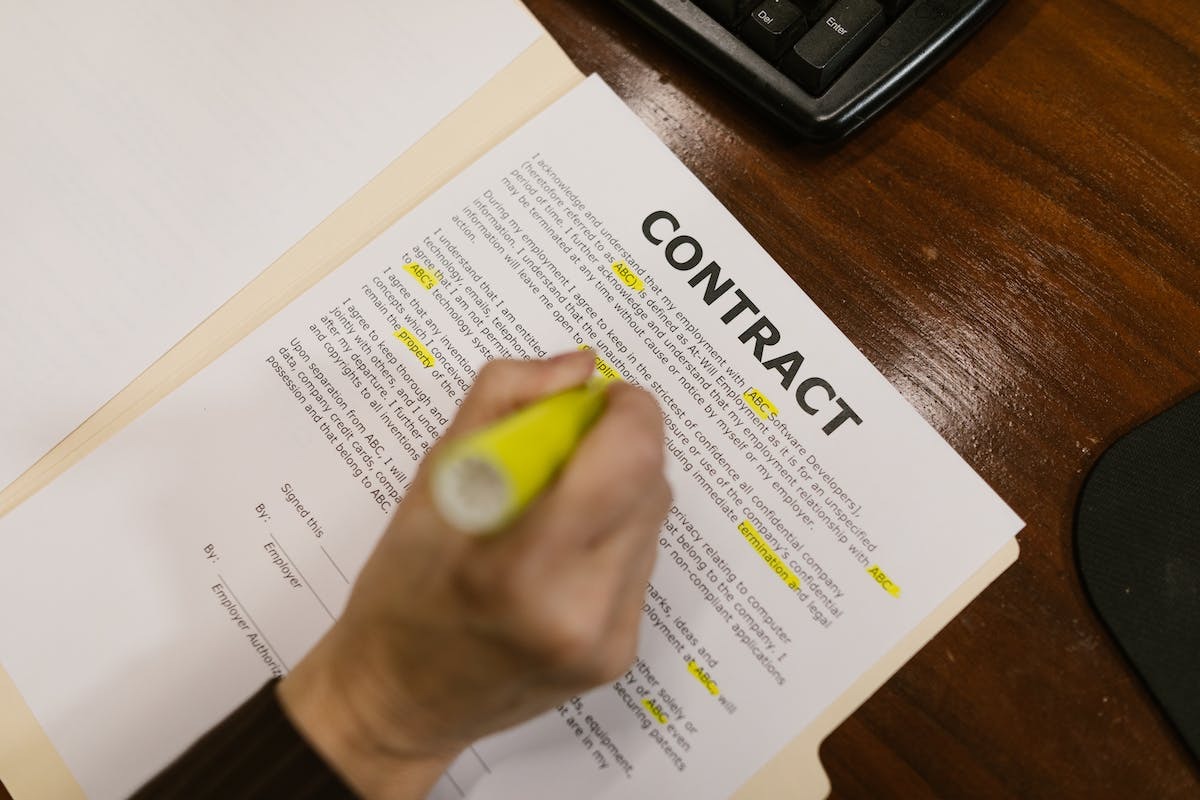
Legal procedures for terminating a seasonal CDD
The terms of early termination of a fixed-term seasonal contract (CDD) are governed by law and must be respected by the parties involved. Indeed, whether it is the employer or the employee, it is imperative to follow certain procedures to terminate this type of contract early.
The seasonal CDD can end before its scheduled term in certain specific cases. Among these reasons are force majeure, which refers to an unpredictable and insurmountable event that makes it impossible to continue the contract. This could be a natural disaster, such as a flood or a destructive storm, which prevents the smooth running of seasonal activities.
Another situation that could lead to an early termination is when the employer is forced to close their establishment due to a serious economic problem that was not foreseeable at the time of hiring. In this case, they must follow a specific procedure for the termination to be recognized as legitimate.
Similarly, if the employee faces exceptional circumstances such as a serious illness or an accident occurring during their seasonal assignment that requires a prolonged absence, they also have the option to consider an early termination of the contract.
Early termination of seasonal CDD: terms
An early termination of a seasonal CDD, whether anticipated or not, can have financial and legal consequences for both parties. From the employer’s perspective, the early termination can lead to financial penalties. Indeed, if the employer does not comply with the legal procedures provided for in the case of early termination, they could be held liable and must pay indemnities to the employee.
On the employee’s side, an early termination can also have financial consequences. Indeed, the employee may claim a compensatory indemnity corresponding to the wages that would have been earned until the normal end of the contract. It must be mentioned correctly.
From a legal standpoint, it should be noted that in certain specific cases where the reason for the termination could be qualified as abusive or unjustified by a competent judge in the event of a dispute. In this context, disputes can lead to costly judicial litigation for the employer if they have not acted in accordance with the law.
It is advisable to consult a specialized legal advisor or a competent professional organization to obtain advice tailored to the specific situation and thus avoid potential disputes.
An early termination of a seasonal CDD can have significant financial and legal consequences. It is essential that the parties respect the legal procedures in force to prevent any risk of litigation.
Financial and legal consequences of CDD termination
After terminating a seasonal CDD, be sure to properly close out this work period. The first step is to collect all employment-related documents, such as pay slips and employer certificates intended for social organizations.
Make sure that all administrative formalities have been properly completed. It may be necessary to inform certain social organizations of the end of the seasonal CDD, such as social security or the unemployment insurance fund if applicable.
In some cases, it may also be useful to request a Pôle Emploi certificate to assert unemployment rights potentially after the end of the contract. This certificate will allow the employee to justify their situation to the competent authorities and thus potentially benefit from unemployment benefits if applicable in their case.
If the employee was housed during their seasonal CDD, they should schedule a meeting with their employer to organize the exit inventory and return the keys to the accommodation if there were any. Once these obligations are fulfilled, the interest will then be limited to any subsequent disputes on this particular subject.
It should also not be forgotten that at the end of a seasonal CDD, the employee is entitled to the paid leave accrued during their working period. This means they will also need to request from their employer the settlement of the accrued leave and details regarding their payment.
Keep in mind that the end of a seasonal CDD does not mean a total break in ties with the employer. It is wise to remain on good terms to benefit from professional recommendations or even potentially consider a future return to the company. It is prudent to leave the position and complete the contract on the best terms while respecting both administrative and relational obligations.
After terminating a seasonal CDD, make sure to properly close this professional period. Collecting the necessary documents and completing the formalities with social organizations are essential to avoid any future problems. Scheduling a meeting with the employer to settle issues related to company housing and requesting the settlement of paid leave accrued are also crucial. Maintaining a cordial relationship with the employer can be beneficial for the employee’s future.
Administrative steps after the end of a seasonal CDD
After completing the administrative steps, be sure to update your CV by adding the new responsibilities undertaken and the results achieved.
It may be wise to take the time to analyze your career, evaluate whether this type of contract aligns with your professional aspirations, and whether it would be beneficial to continue on the same path or explore other opportunities.
In some cases, the end of the seasonal CDD may raise questions about future prospects. Asking questions such as ‘Should I look for a similar new position?’, ‘What are my professional ambitions?’ will be essential to define a clear strategy for the future.
Do not overlook the importance of the professional network. Indeed, after successfully completing a seasonal CDD, it is recommended to stay in touch with former colleagues and employers. The network can play a crucial role in future job searches or even in accessing interesting opportunities.
Ending a seasonal CDD does not only mean closing a temporary professional experience. This transition also presents a favorable opportunity to reflect on one’s career, update the CV, and think about future professional goals. Remember to maintain cordial relationships with former colleagues and employers to benefit from a strong professional network that will facilitate your reintegration into the job market.
After completing the necessary administrative steps, it is essential to take a moment to reflect on the next steps in your career after the end of a seasonal CDD. Updating your CV, evaluating your professional aspirations, and maintaining your network are all important actions to best prepare for the professional future.