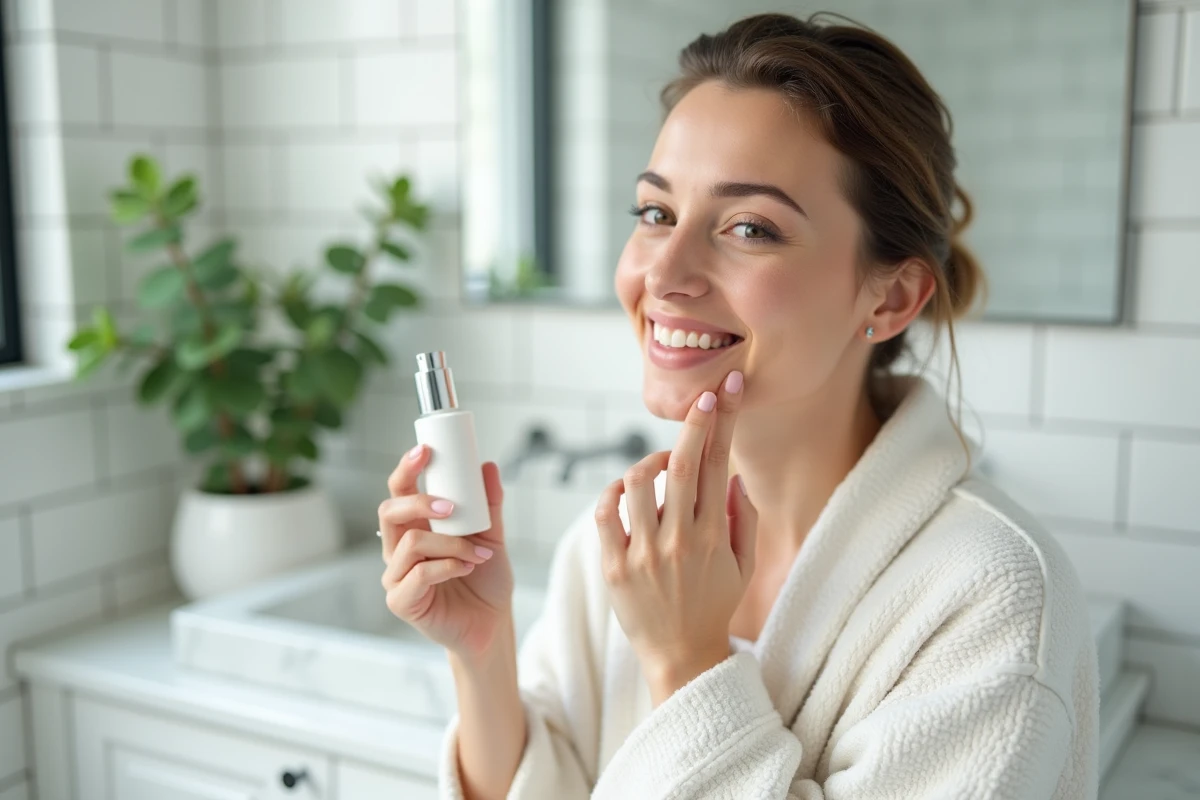
The skin does not lie about the quality of a routine. A poorly sequenced protocol, incompatible active ingredients, or a careless cleansing sabotages results even before the main treatment takes effect. Here, we share the technical adjustments that make the difference between a correct cosmetic routine and one that produces visible results in natural beauty on a daily basis.
Order of application for facial care: the sequence that determines effectiveness
Applying a serum before a toner or SPF before a moisturizer neutralizes the active ingredients. The rule of increasing texture remains the foundation of an effective protocol: from the most fluid to the most occlusive, each layer prepares for the penetration of the next.
The double cleansing method (oil-based followed by a gentle surfactant) remains the non-negotiable prerequisite. A micellar cleanser or cleansing balm first dissolves sunscreen filters and oxidized sebum. The second cleanser, water-based, removes water-soluble residues. Skipping this first step leaves a film that prevents proper absorption of moisturizing active ingredients.
After cleansing, we recommend applying products in this order:
- Toner or essence (acidic pH, prepares the stratum corneum to receive the following actives)
- Concentrated serum with targeted actives (hyaluronic acid, niacinamide, vitamin C according to skin needs)
- Moisturizer suitable for skin type, sealing in hydration and forming a protective barrier
- Sun protection in the morning, applied as the last step of care (never mixed with the cream)
Specialized resources like espace-beaute.net help identify formulations suitable for each step without multiplying unnecessary products.

Incompatible cosmetic actives: associations to avoid in a natural beauty routine
Mixing retinol and exfoliating acids in the same routine causes irritation and dehydration. This common reflex among those wanting to speed up results weakens the skin barrier instead of strengthening it.
Retinol (vitamin A) accelerates cell turnover. AHA acids (glycolic, lactic) dissolve the bonds between corneocytes. Used on the same night, they generate excessive exfoliation that sensitizes the skin to external aggressions. Alternating even/odd nights is the most reliable method to benefit from both families of actives.
Vitamin C and niacinamide: a false problem
Contrary to a widespread belief in forums, vitamin C and niacinamide are compatible in the same protocol. Older unstable formulations caused redness upon contact, but current stabilized serums with controlled pH no longer have this issue. Applying them one after the other, from the most acidic to the least acidic, works without conflict.
However, combining pure vitamin C (ascorbic acid) with a copper peptide is still discouraged. Ascorbic acid oxidizes copper, rendering the peptide inactive. We often see this mistake in overly loaded anti-aging routines with premium actives.
Hair and scalp care: the often-overlooked diagnosis
Natural beauty is not limited to the face. The scalp is a direct extension of the facial skin, with the same issues of sebum, flaking, and sensitivity. Treating the lengths without ever adapting care to the scalp amounts to masking an imbalance that will eventually show.
A healthy scalp produces denser and shinier hair without resorting to surface treatments. Excess heavy silicones in conditioners creates a temporary smooth effect but suffocates the fiber in the long term. Formulations based on light vegetable oils (jojoba, camellia) nourish without leaving an occlusive residue.
Washing frequency and type of surfactant
Sulfate (SLS, SLES) effectively strips but destabilizes the hydrolipid film. For an oily scalp, a gentle surfactant like coco-glucoside allows for cleansing without causing rebound sebaceous overproduction. Spacing out washes only works if the surfactant used respects the scalp’s pH.
Clay-based hair masks (ghassoul, kaolin) offer an interesting alternative: they absorb excess sebum without surfactants, allowing for gradually reducing washing frequency without uncomfortable greasy phases.

Diet and hydration: the internal lever of natural beauty on a daily basis
No serum compensates for chronic dehydration or a deficiency in fatty acids. The skin directly reflects nutritional status, and the first signs of dehydration appear well before structural age-related wrinkles.
Omega-3 fatty acids strengthen the lipid barrier of the epidermis. Fatty fish, flaxseeds, and nuts provide these lipids that the skin cannot synthesize on its own. Regular intake results in less reactive skin, less prone to redness and tightness.
Dietary antioxidants (colorful fruits, leafy green vegetables, green tea) complement the action of topical antioxidants. Applying vitamin C to the skin while maintaining a proper dietary intake of vitamin C and vitamin E creates a documented synergistic effect in dermatology.
Internal hydration and skin texture
Drinking enough water does not “plump” the skin magically, but even mild dehydration alters microcirculation and slows down the elimination of cellular waste. The complexion becomes dull, and dark circles deepen. Internal hydration acts as a foundation that topical care cannot replace.
Revealing one’s natural beauty relies on the coherence between what is applied and what is provided from within. A well-sequenced care protocol, correctly associated actives, and a suitable diet form a whole where each element reinforces the others. The most effective adjustments are rarely the most expensive.