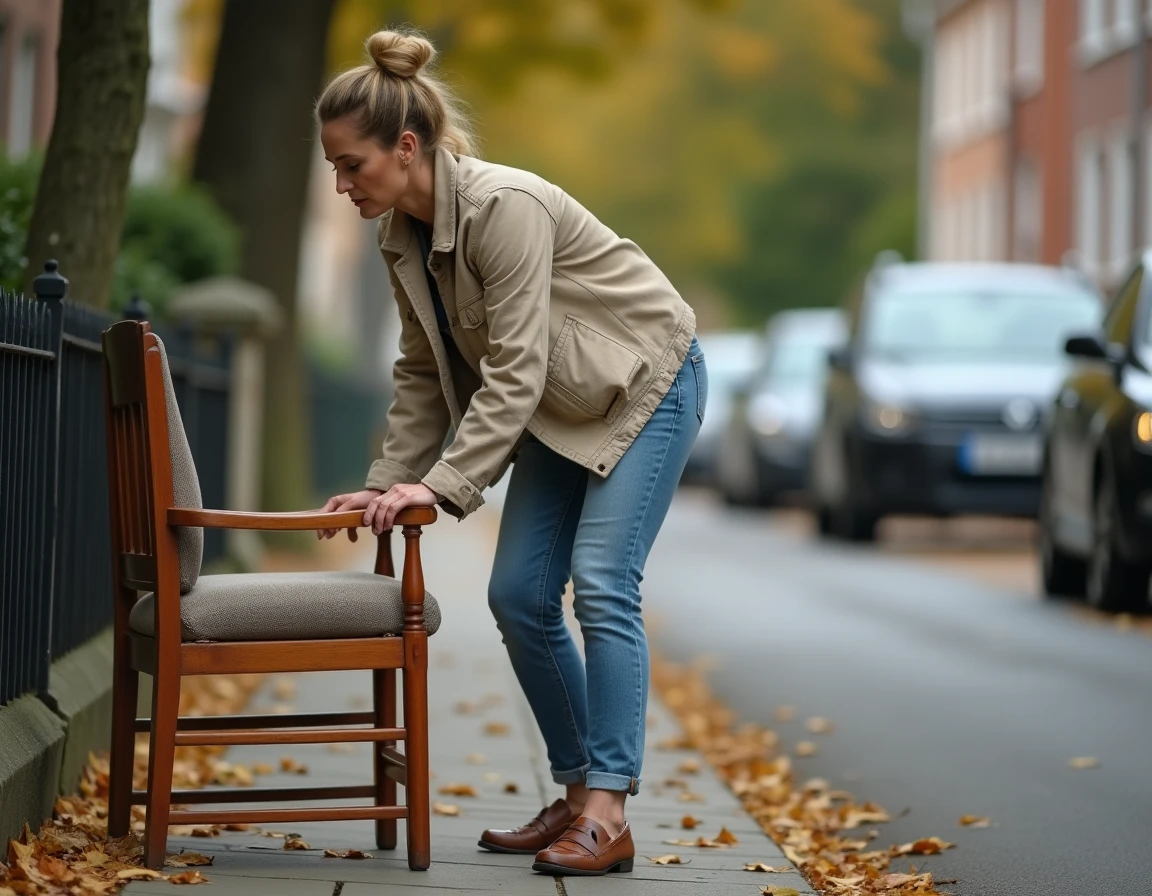
Every year in France, thousands of furniture items in good condition end up in waste disposal sites due to a lack of visible recovery channels. Platforms for donating between individuals are multiplying, associations continue to collect, and some local authorities are now organizing complete reuse pathways. Despite this scattered offer, finding free furniture near you remains a journey fraught with logistical blind spots.
How last-mile logistics changes furniture recovery
Finding an ad for free furniture takes a few minutes. Transporting it, however, poses a concrete problem that few ads mention: how to move a wardrobe or a sofa from the donor’s home to yours.
Several scenarios exist. Some associations offer free home furniture pickup directly from the donor. This service removes the constraint of a utility vehicle, but it depends on the geographical area and collection schedule. Delays can vary from a few days to several weeks depending on the organization.
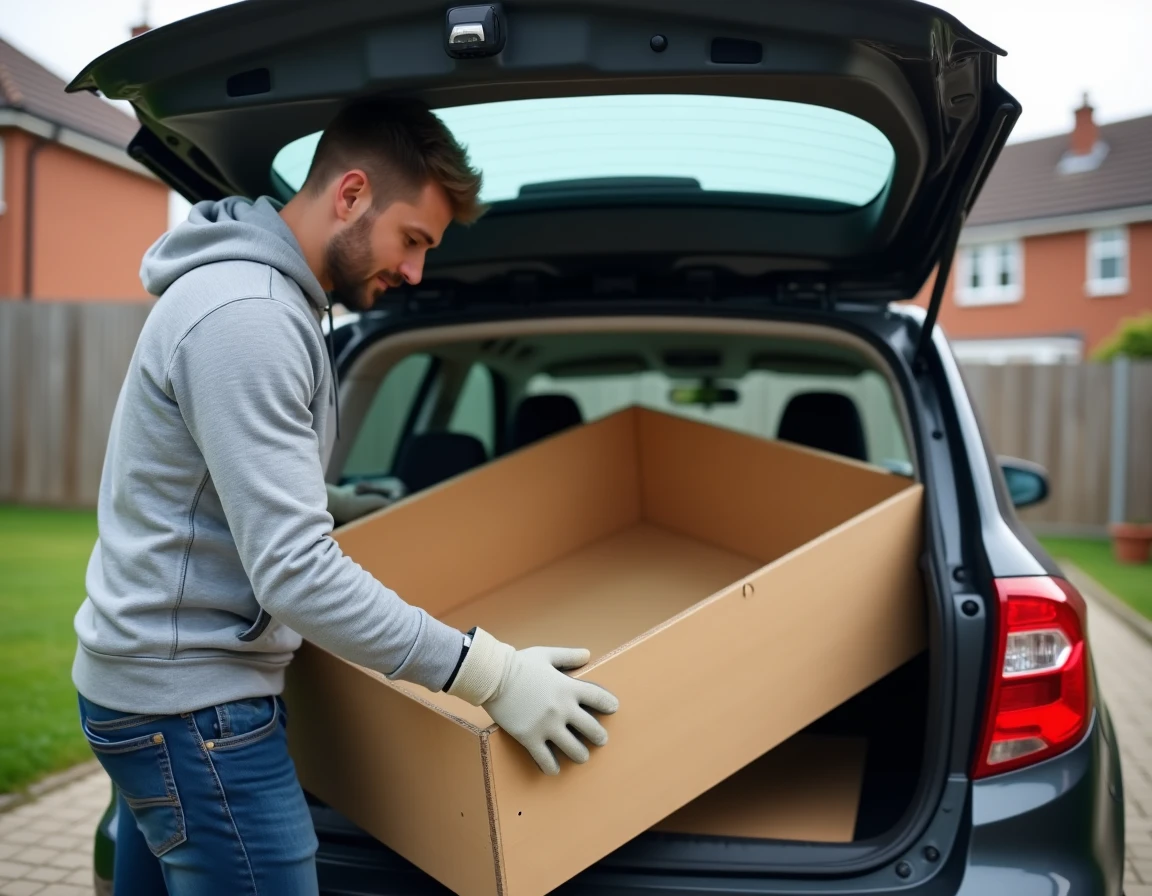
For ads between individuals, you generally have to organize the transport yourself. Renting a utility vehicle, borrowing a trailer, or calling a friend with a vehicle: this step represents a hidden cost that many underestimate.
Before reserving furniture online, checking its dimensions and planning the mode of transport avoids unpleasant surprises on the day of pickup. A comprehensive guide lists free furniture available for pickup on Direct Home with useful pointers on the different available channels.
Platforms for donating furniture between individuals: what really sets them apart
Geev, Donnons, Toutdonner: these three names consistently appear in search results. Their principle is the same (to publish or consult ads for donating items), but their daily operations diverge on several points.
- The volume of ads varies greatly depending on the city. A very active platform in Paris or Lyon may show few results in a medium-sized city. Testing two or three sites simultaneously allows for broader coverage.
- The allowed categories are not the same everywhere. Toutdonner points out the existence of prohibited categories on certain platforms, meaning that a type of furniture accepted on one site may be rejected on another.
- The mode of contact differs: integrated messaging, push notifications, direct phone exchange. The responsiveness of the first message is often crucial for obtaining a coveted piece of furniture.
- Some platforms allow for precise geolocation of donations, while others are limited to postal codes. For bulky furniture, the exact distance matters.
The key is not to choose the “best” platform, but to use several simultaneously and set alerts for furniture and appliance categories.
Associations and resource centers: recovering free furniture beyond online ads
Digital platforms capture attention, but a significant portion of donated furniture passes through associative channels that operate without public ads.
Emmaüs remains the most well-known organization. Its communities collect furniture, sometimes refurbish it, and then sell it at symbolic prices or give it away depending on the branches. The operation varies from one community to another: some collect at home, while others require a drop-off on-site.
The Secours Populaire and the Red Cross also have furniture recovery channels, often aimed at vulnerable populations. Access to these free furniture items depends on social criteria defined by each local branch.
Resource centers and recycling centers, sometimes supported by local authorities, constitute a third channel. Bordeaux Métropole, for example, promotes local reuse pathways combining donation zones, textile bins, and resource centers. This type of arrangement expands recovery points well beyond just online ads.

To locate these structures near you, the public service website and the waste/reuse pages of your intermunicipality remain the most reliable sources.
Free furniture on the sidewalk: legal framework and precautions before recovery
Bulky items left on the sidewalk the day before a collection represent a source of free furniture that many people exploit informally. This practice is common, but its legal framework deserves clarification.
An item left for bulky waste is considered waste for which the responsibility lies with the local authority in charge of collection. Recovering a piece of furniture from the sidewalk before the truck passes is not explicitly prohibited by national law, but some municipal regulations govern or limit this practice. Field reports vary on this point depending on the municipalities.
Beyond the regulatory aspect, caution is necessary regarding the actual condition of the furniture. A sofa exposed to rain may have developed invisible mold. A particle board piece swollen from humidity will not regain its original shape. Checking the structure, odor, and absence of pests (especially bedbugs) before loading anything into a vehicle is a minimal precaution.
Organizing your search for free furniture: a concrete method
Scattering your efforts across ten channels without a method rarely yields results. A structured approach works better.
- Clearly define the furniture you are looking for (type, maximum dimensions, use) before starting any search. This avoids accumulating items “just because they are free” without real need.
- Create alerts on two or three donation platforms (Geev, Donnons, Toutdonner) with a realistic geographical radius, considering your transport capacity.
- Contact the resource centers and Emmaüs branches in your area to find out their sale days and donation conditions.
Responsiveness makes the difference: a free piece of furniture in good condition often goes within the hour following the publication of the ad. Checking alerts in the morning and responding immediately significantly increases the chances of success.
The reuse of furniture relies on a fragmented ecosystem among digital platforms, associations, local authorities, and informal practices. No single channel covers all available offers. Cross-referencing sources, planning an appropriate vehicle, and inspecting each piece of furniture on-site before taking it away helps avoid the most common disappointments.