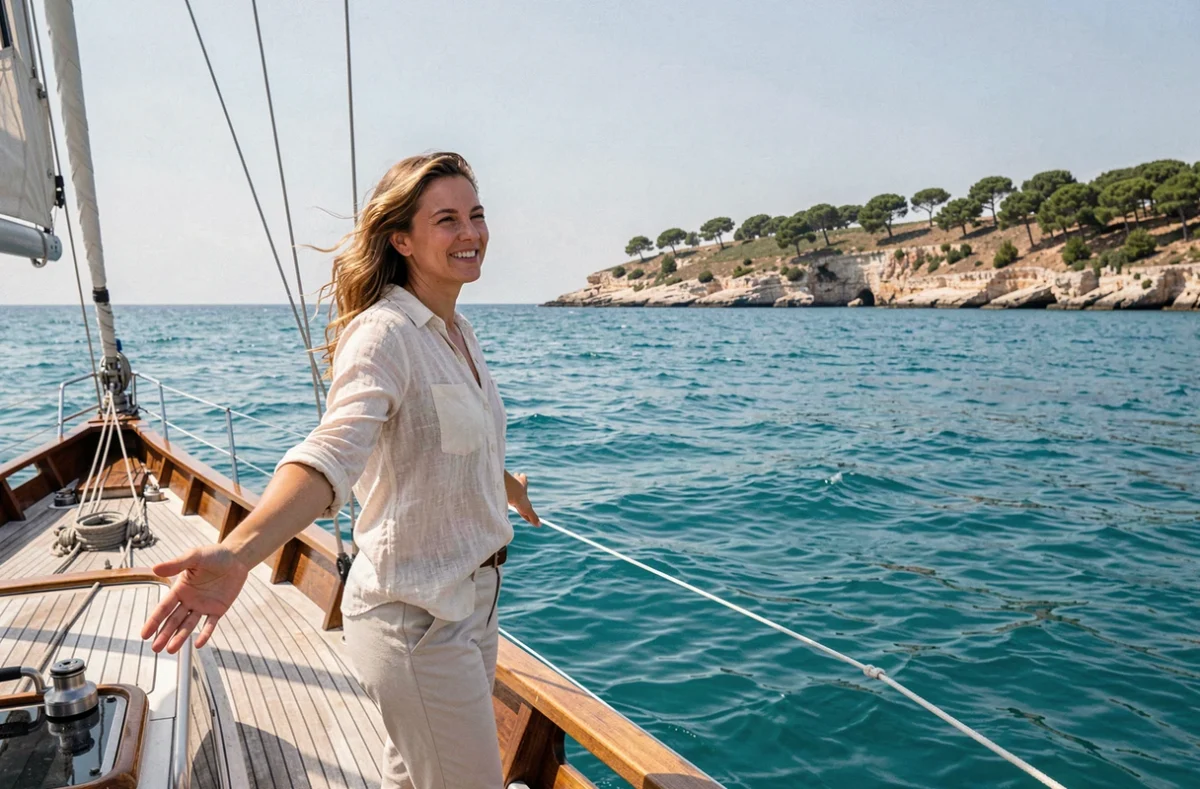
Choosing a boat activity for a trip is primarily about deciding between the type of navigation, the duration, and the expected level of comfort. Ocean cruise, sailboat rental, river cruise, or day coastal outing: each option involves differences in price, pace, and physical commitment that should be clearly outlined before booking.
Comparison of Navigation Formats for a Boat Trip
The format shapes the experience much more than the destination. The same coastline is experienced differently depending on whether you board a cruise ship or steer a rental sailboat.
| Format | Typical Duration | Required Autonomy | Comfort | Relative Budget |
|---|---|---|---|---|
| Cruise Ship | 7 to 14 days | None | High (cabin, dining, entertainment) | Medium to high |
| Sailboat/Catamaran Rental | 5 to 10 days | License or skipper required | Variable (berths, onboard kitchen) | Medium (shared among crew) |
| River Cruise | Half a day to 7 days | Low (houseboat without a license possible) | Moderate | Accessible |
| Day Coastal Outing | 3 to 8 hours | None (skipper included) | Basic | The most accessible |
The cruise ship remains the most structured format: fixed itinerary, scheduled stops, predefined onboard activities. In contrast, sailboat rental offers total freedom of route but requires managing navigation, anchoring, and provisioning.
Exploring boat activities with Vagabondes allows you to find intermediate options, where a skipper takes care of navigation while the crew enjoys the stops and water activities.
Anchoring in the Mediterranean: A Regulatory Constraint That Changes the Itinerary
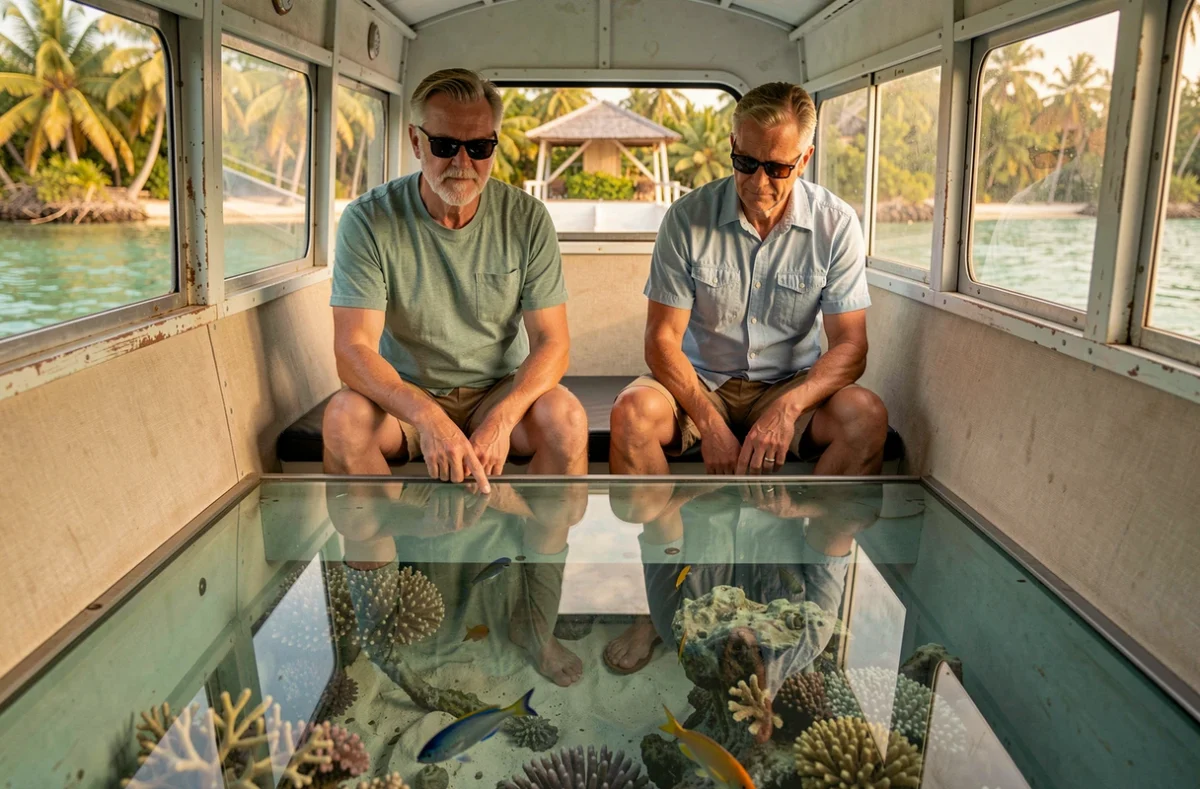
Competitors list destinations without mentioning the restrictions that weigh on recreational boating in the Mediterranean. Local regulations now govern anchoring on posidonia meadows, with rules varying by area and boat size.
Before planning a coastal cruise or rental in the south of France, Corsica, or the Balearics, it’s essential to check the authorized areas. Dedicated mooring buoys replace free anchoring in many popular bays.
The case of Sant’Amanza in Corsica illustrates the complexity of the issue. Associations have legally challenged the installation of mooring buoys, arguing that the blocks used were not genuinely ecological and that the authorization process was problematic. A solution presented as protective can spark disagreements about its actual effects.
For a traveler, the practical consequence is direct: the itinerary of a boat outing is also built around the authorized anchoring points, not just the desire to swim.
Onboard and Shore Activities: What Really Distinguishes the Options
The available activities depend less on the destination than on the type of boat and its equipment. A cruise ship offers a pool, shows, and continuous dining. A rental sailboat opens access to snorkeling, kayaking, and fishing depending on the equipment onboard.
- Coastal navigation and sailboat: snorkeling, anchoring in secluded coves, trolling, exploring villages accessible only by sea
- Cruise ship: organized shore excursions, supervised water sports departing from the ship, cultural activities onboard
- River cruise: discovering architectural heritage from the deck, stops at historic locks, cycling along the towpath
The choice of boat determines the activities as much as the destination. Booking a cruise in Norway for its fjords is not the same experience on a cruise ship (panoramic view from the deck) as on a sailboat (close navigation, anchoring at the foot of cliffs).
Maritime Safety: An Underestimated Criterion in Choosing Activities
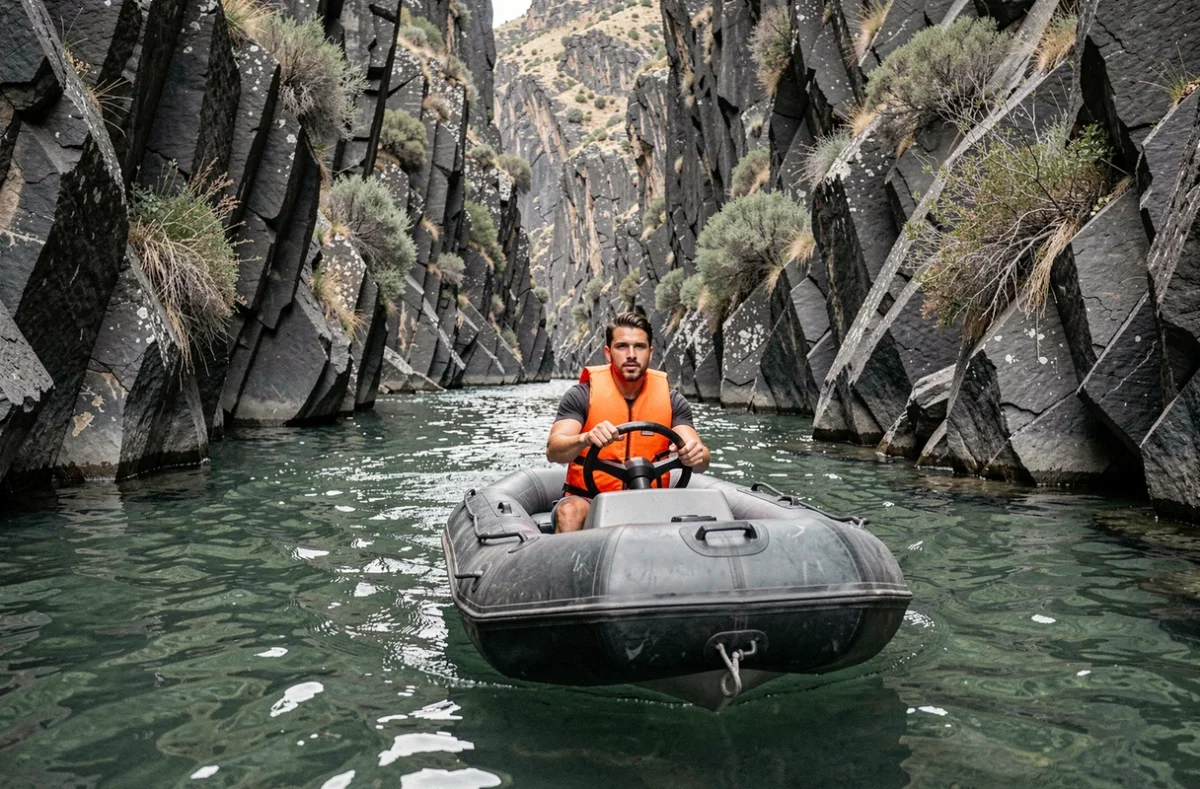
The report from the European Maritime Safety Agency indicates that the loss of life at sea in 2025 was at its lowest in the studied decade. However, the number of injuries remained high. This contrast reminds us that safety is generally improving, but incidents onboard (falls, low-speed collisions, injuries during water activities) remain frequent.
For a day at sea or a short rental, checking for safety equipment onboard and the skipper’s qualifications remains a reflex to keep. A well-equipped boat reduces the risk of injury more than the choice of destination.
River Navigation in France: An Underrated Format for a First Boat Trip
River navigation almost never appears in rankings of “the most beautiful boat activities,” which are dominated by ocean cruises and rentals in turquoise waters. However, this format deserves serious analysis for a first trip.
- No license required for most rental houseboats on French canals
- Slow pace (a few kilometers per hour) suitable for families and beginners
- Access to heritage sites that are hard to see from the road, such as the fortresses overlooking the Seine in the Andelys valley
- Significantly lower cost than a maritime cruise for an equivalent duration
The river cruise combines heritage discovery and navigation without technical constraints. It is the format that requires the least logistical preparation while offering real immersion in a territory.
The main trade-off is between the freedom of itinerary (greater in maritime rental) and ease of access (maximum in river). For a boat trip focused on land activities and heritage, the river option wins. For swimming, snorkeling, and warm waters, coastal rental or cruising remains the suitable formats.
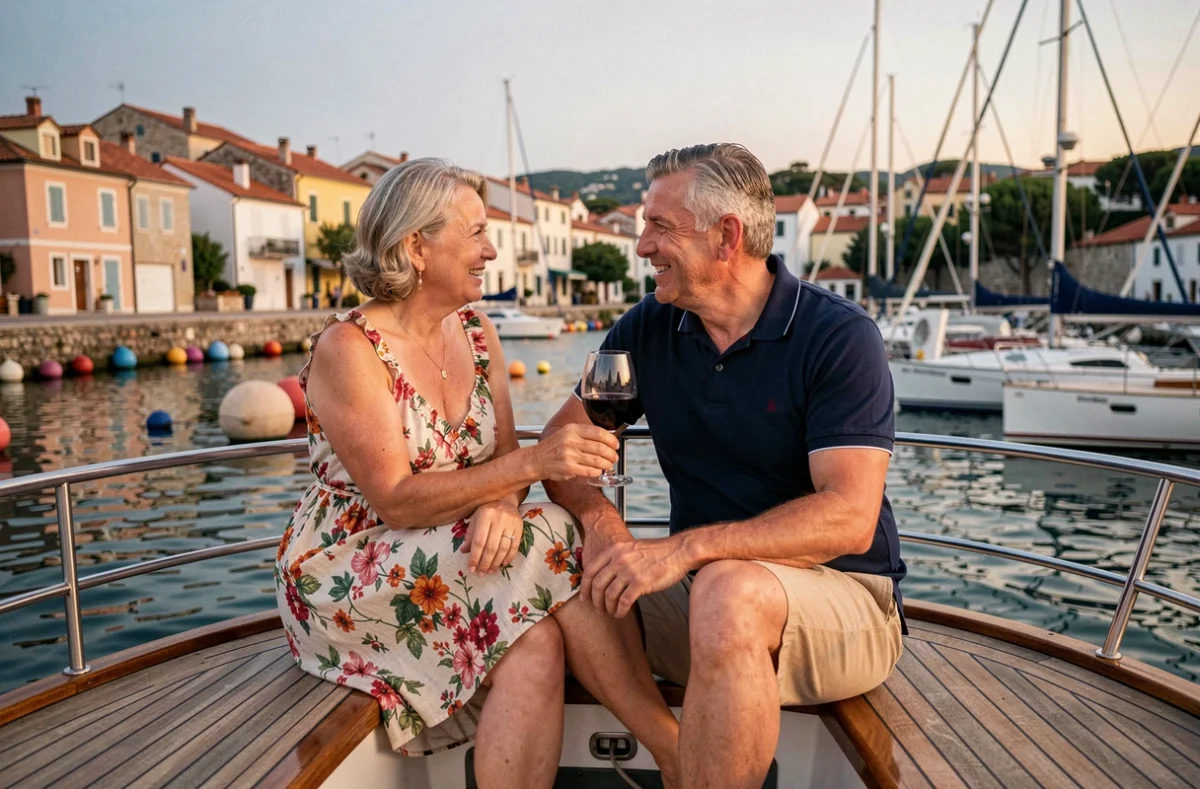
The navigation format weighs more on the quality of a boat trip than the destination itself. Checking anchoring constraints, the required level of autonomy, and the activities actually accessible onboard before booking avoids disappointments far more reliably than choosing a destination based on brochure photos.