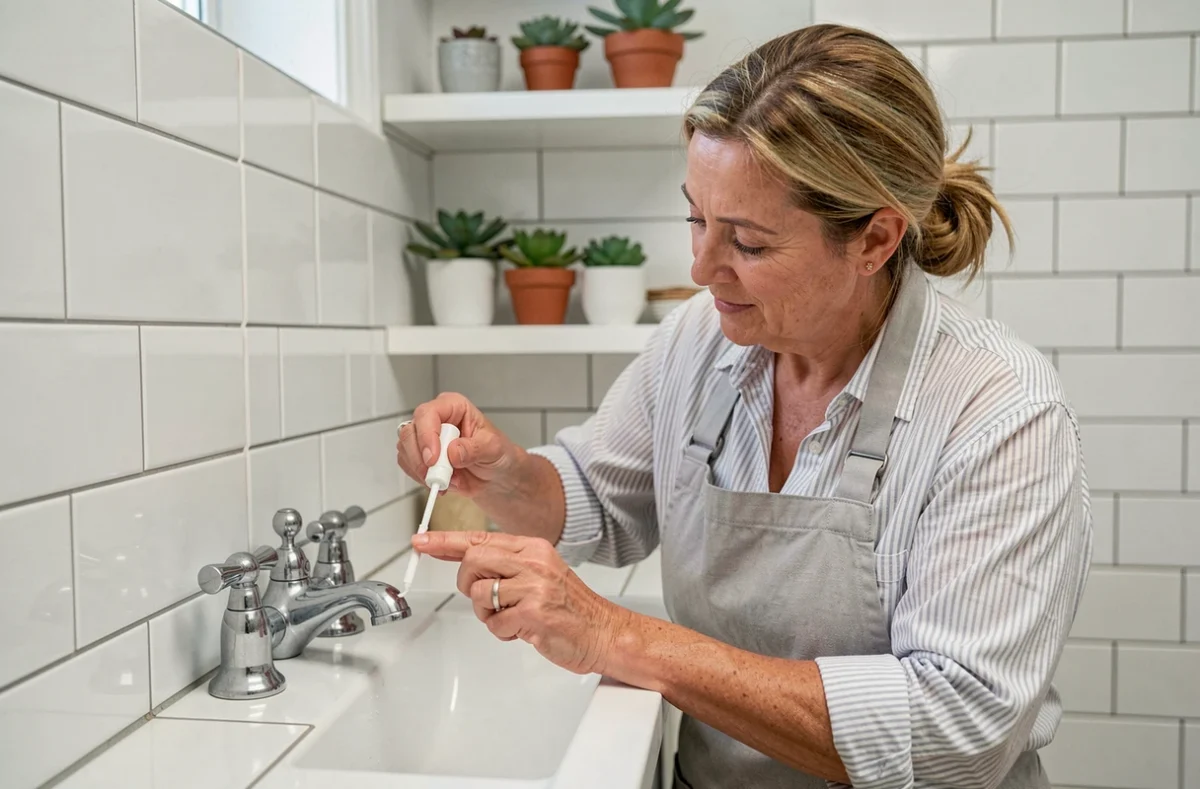
A grout that darkens in the bathroom, a persistent smell in the kitchen despite cleaning, a room that always seems damp: these everyday signals often reveal a targeted maintenance issue rather than a lack of overall cleaning. Maintaining your home effectively is less about the time spent and more about the actions taken in the right place at the right time.
Indoor air quality: the deadlock of cleaning routines
We often start with visible surfaces (countertops, floors, windows) while neglecting what we breathe. Scented or spray cleaning products can actually contribute to indoor air pollution. Reducing the number of products, following the recommended dosages, and ventilating during and after cleaning are simple preventive actions.
Controlled mechanical ventilation (CMV) plays a direct role in managing humidity and limiting mold. Clogged extraction vents or obstructed air inlets reduce its effectiveness. We can integrate their cleaning into a monthly routine, using a damp cloth and a vacuum with a narrow nozzle.
A reflex to absolutely avoid: turning off the CMV or blocking air inlets to save energy. Air renewal is a sanitary function, not a luxury. If insulation work is undertaken, it is essential to ensure that ventilation remains properly sized, as making a home more airtight without adapting air renewal can worsen ambient humidity.
Useful resources to delve deeper into these topics can be found at the Wiki for Home website, which covers a wide range of housing-related issues.
Surface maintenance: matching the product to the material
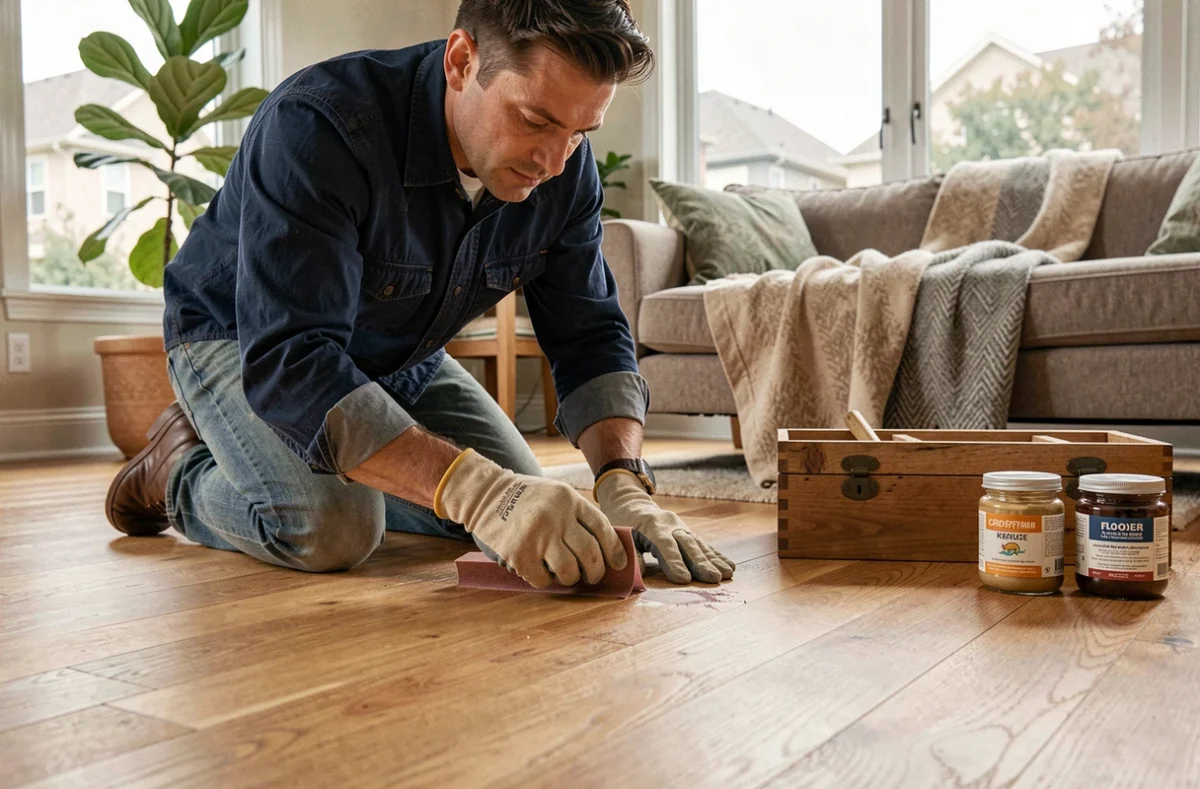
Using a multi-purpose product on all surfaces is tempting but counterproductive on certain materials. A granite countertop, an oiled parquet floor, and glazed tiles do not react the same way to acidic or abrasive agents.
Three guidelines for choosing the right product
- White vinegar is suitable for glass surfaces, stainless steel, and limestone faucets, but it attacks marble, natural stone, and untreated cement joints.
- Baking soda works well for deodorizing the refrigerator or reviving a resin sink, but it scratches lacquered surfaces if rubbed too hard.
- Liquid black soap (made from linseed or olive oil) cleans most floors without leaving a film, provided you do not overdo it: one tablespoon per liter of hot water is sufficient.
Matching the product to the surface avoids damaging materials and reduces the number of bottles stored under the sink. Three or four basic products cover almost all the needs of a home.
Sorting organic waste: a maintenance gesture that has become mandatory
Since January 1, 2024, organic waste must be sorted at the source in France. Specifically, peels, food scraps, and coffee grounds no longer go in the regular trash. The community must provide a solution: dedicated bin, neighborhood composter, or separate collection.
This change alters the organization of the kitchen. It is beneficial to plan for a small closed container (a bucket of a few liters with a lid) near the countertop. Emptying this container every two to three days limits odors and the risk of attracting insects.
The garden composter, when space allows, transforms these waste materials into fertilizer for plants. The only variable that changes the effectiveness of home composting is the balance between wet materials (peels) and dry materials (brown cardboard, dead leaves): without this balance, compost ferments poorly and emits odors.

Small home repairs: intervene before the problem settles
A dripping faucet, a continuously running toilet, a detached silicone seal around the shower: these minor defects may seem trivial. However, they can cost in water, energy, or damage over time.
Interventions not to postpone
- Replacing a worn faucet seal takes a few minutes and stops a leak that, accumulated over months, represents a significant volume of water.
- Re-sealing silicone in a shower or around a sink prevents water from seeping under the tiles, where it promotes mold and detachment.
- Bleeding radiators at the beginning of the heating season removes trapped air from the system and restores even heat distribution in each room.
- Cleaning the washing machine filter after each cycle (or at least weekly) prevents bad odors and prolongs the lifespan of the appliance.
None of these actions require specialized tools. A wrench, a cutter, a tube of sanitary silicone, and a screwdriver cover most needs.
Home maintenance routine: target rather than accumulate
Long lists of household tasks are more discouraging than helpful. Better results are achieved by identifying the three or four critical points in your own home. An apartment with a cat does not have the same priorities as a house with a garden and young children.
Spending fifteen minutes a day on a single targeted area produces a visible cumulative effect in a few weeks. Monday, the kitchen. Tuesday, the bathroom. The rest of the week, alternate between living spaces and storage areas.
Regular maintenance of the home is not limited to visible surfaces. The air we breathe, the joints we ignore, the sorting we postpone, and the faucet we let drip form a whole. Each targeted action at the right time prevents a heavier intervention a few months later.