
Quickly finding an exotic wood decking board, a fence panel, or maintenance advice on a specialized site can turn into a puzzle when the categories are unclear. A well-structured sitemap solves this problem by laying out the entire hierarchy at once, like a detailed table of contents.
Hierarchy and traceability of woods: what a sitemap reveals about a specialist
When you open the plan of a site dedicated to wood and gardening, you are not just looking at a simple list of pages. You access the logic of the catalog’s classification: species, uses, formats, treatments.
This structure becomes valuable for checking if a supplier distinguishes certified woods from non-labeled woods. Since November 25, 2024, species of the genus Handroanthus (including ipe) are listed in Annex II of CITES. Any import now requires an export permit from the country of origin. A well-organized sitemap separates regulated exotic woods from European alternatives, making it easier for a compliance-conscious buyer to find what they need.
By browsing the sitemap of Bois & Jardin 42, you can see if the sections for decking, cladding, or fencing link to detailed sheets outlining the origin of the wood and its technical classification. This level of transparency is not always present among general DIY retailers.

Navigate a wood and garden catalog without wasting time
You are looking for a specific outdoor design solution, for example, cladding that complies with the NF DTU 41.2 standard updated in July 2024. Typing keywords into the internal search bar can return dozens of results mixing blog articles, product sheets, and practical guides.
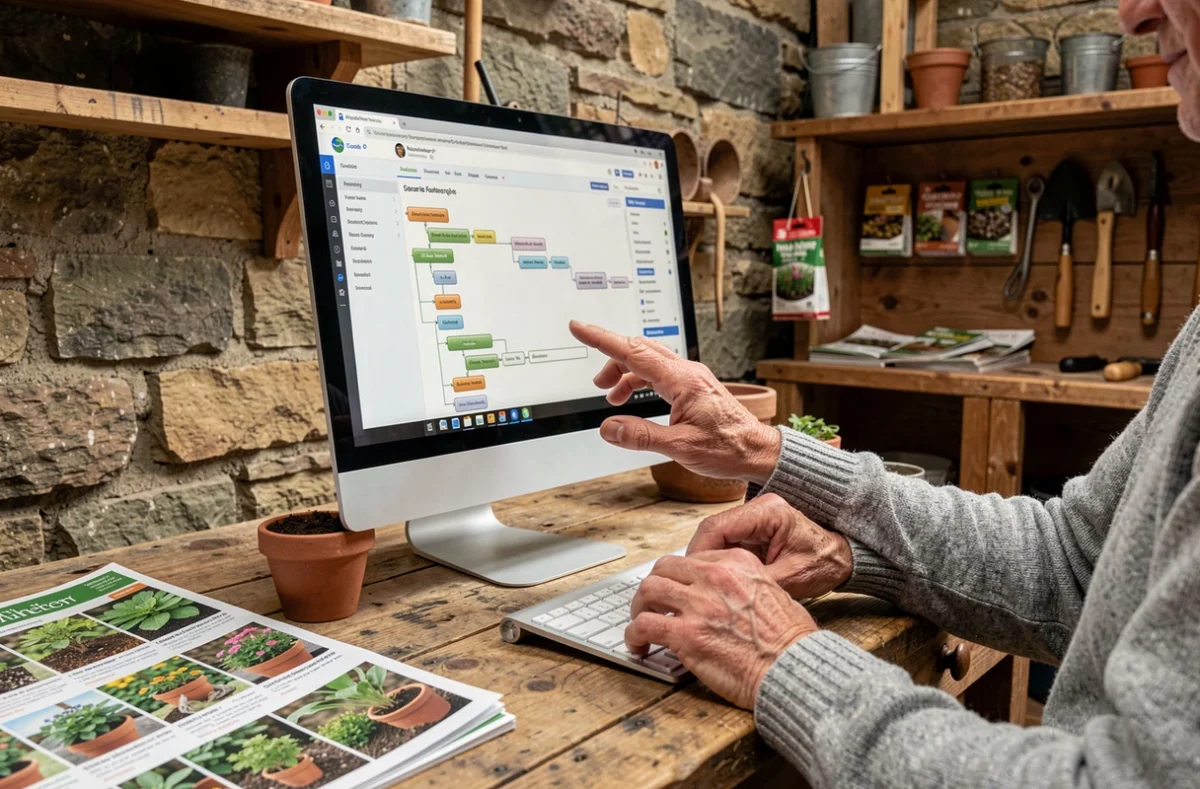
The sitemap bypasses this noise. It displays the complete hierarchy of pages, grouped by theme. You can identify the section that concerns you in just a few seconds.
Three tips for effectively reading a sitemap
- Identify the parent categories: these correspond to the main areas (decking, cladding, fencing, furniture, decoration). Always start from this first level before descending into subcategories.
- Identify guide or advice pages: a specialized site often separates its product sheets from its educational content. If you are looking for how to maintain a deck, aim for the “advice” or “blog” section, not the catalog.
- Check the freshness of the sections: a section dedicated to regulations or current standards (such as CITES or DTU 41.2) indicates that the site is updating its content. A sitemap that has been stagnant for several years warrants more caution.
Outdoor wood design: the pages to prioritize
Not all design projects require the same information. Building a wooden deck does not involve the same data as installing a garden shed or laying cladding.
Start with the technical pages related to ventilation and drainage. Recent guides emphasize the separation of wood and soil to avoid moisture trapping. A ventilated and draining structure significantly extends the lifespan of the wood. If the sitemap offers a section dedicated to substrate preparation, it’s a good sign.
Next, look for pages that address the choice of species based on use. Wood suitable for a south-facing deck is not necessarily the right choice for north-facing cladding. The wood’s use class determines its resistance to moisture and fungi. A site that structures its catalog by use class (and not just by price) saves you time.
Outdoor decoration and furniture: don’t overlook these sections
Sitemaps from wood and garden specialists sometimes reserve less visible sections for garden furniture or outdoor decoration. Wooden planters, trellises, pergolas: these design elements often appear in a distinct category from the structural work.
If your project combines decking and relaxation space, browse these secondary sections. They regularly contain design advice and material combinations that isolated product sheets do not mention.
Formaldehyde and European standards: a hidden criterion in product sheets
Have you ever noticed technical mentions on interior wood panels without really knowing what they mean? European regulations limit formaldehyde emissions from wood-based panels. These limits have recently been tightened.
A serious site classifies its panels according to their level of formaldehyde emissions. On a sitemap, this distinction sometimes appears as a dedicated subcategory or filter in the “panels” or “interior design” section.
This point directly concerns interior decoration projects that mix wood and design: custom bookshelves, wall coverings, storage furniture. Checking the compliance of the panel before purchase avoids surprises during an inspection or simply for indoor air quality.
XML sitemap and HTML sitemap: two different tools for the user
The term “site plan” covers two realities. The HTML sitemap is the visible page, designed for visitors. The XML sitemap is a technical file intended for search engines.
Only the HTML sitemap helps you navigate concretely. It lists the pages in a logical order, with readable titles. The XML file, on the other hand, contains raw URLs without context.
When you consult the sitemap of a wood and garden specialist, make sure you are on the HTML version. It is recognizable by its structured layout, with section titles and clickable links organized by theme.
A regularly updated sitemap reflects a living catalog. If the latest indexed pages date back several months, the site may have slowed its updates, which can affect product availability or the relevance of the displayed technical advice.