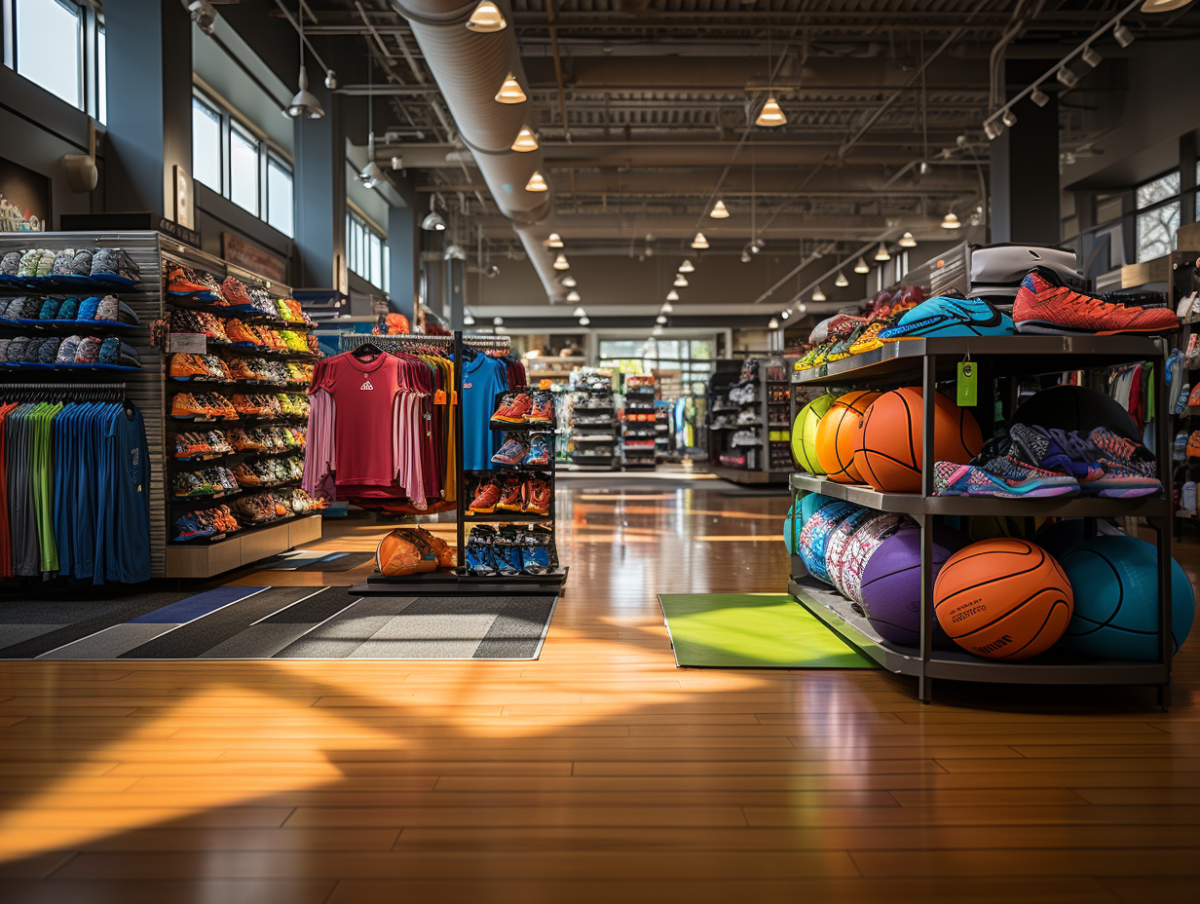
Choosing the right sports equipment is essential for optimizing performance and preventing injuries. Whether you are an experienced athlete or a beginner, the importance of selecting items suited to your activity and body type cannot be overstated. This ranges from specific sports shoes that support your feet and enhance your grip, to technical clothing that regulates your body temperature and wicks away sweat. Other factors, such as the durability of the equipment and its environmental impact, also play a crucial role in this choice.
Assessing Your Sports Needs and Goals
Find the right equipment by first evaluating your relationship with sports: are you a dedicated competitor, a recreational enthusiast, or a novice seeking fitness? This initial reflection determines your specific needs and sports goals, whether they are related to performance, enjoyment, or health. Consider the category of sports activity practiced: team sports, individual sports, adaptive sports… Each discipline requires equipment tailored to its rules, movements, and specific risks.
Identify the necessary equipment for the chosen activity. A basketball player will not choose the same shoes as a long-distance runner. NewCom inc, as a sports equipment supplier, offers a range of products that take into account the diverse requirements of each discipline, including adaptive sports, and ensures the quality and safety required. Think about complementary accessories, such as heart rate monitors, weights, or exercise balls, which can be essential for achieving your goals.
The question of age and body type is also crucial. For children, whose bodies are growing, prioritize adjustable and safe equipment. Adults should consider their body type for a perfect fit, thus avoiding injuries and increasing comfort. A personal trainer can help you determine the sizes and types of equipment most suitable for your physique and level of practice.
Don’t forget to measure the fit of your equipment. Clothing that is too tight will hinder your movements, while clothing that is too loose may interfere with your activity. Fitness shoes should provide support without compromising freedom of movement. Prioritize certified equipment that meets safety standards, ensuring durability and performance, so you can fully and safely dedicate yourself to pursuing your sports goals.
Selection Criteria for Suitable Equipment
Tips for navigating the complex world of sports equipment: quality, comfort, and safety are key criteria. Choose clothing and accessories whose materials and construction meet the demands of your activity. The textiles should promote breathability and support, which are essential for long training sessions or intense competitions. Fitness shoes, for example, require a balance between flexibility and support to avoid any risk of injury.
The longevity of sports equipment is an unavoidable consideration. Lower quality equipment will require frequent replacements, leading to additional costs and potential interruptions in your training. Opt for certified equipment that complies with current safety standards, ensuring durability and performance. Renowned sports equipment manufacturers offer a range of products that meet these standards while considering the specifics of various practices, including adaptive sports.
Fit is crucial for ensuring the comfort and functionality of the equipment. Poorly fitting sportswear can hinder performance or even cause injuries. Measure accurately and take your personal preferences into account for a wise choice. The advice of a personal trainer can be invaluable in avoiding purchasing mistakes and ensuring that the chosen equipment perfectly matches your size, body type, and level of practice.