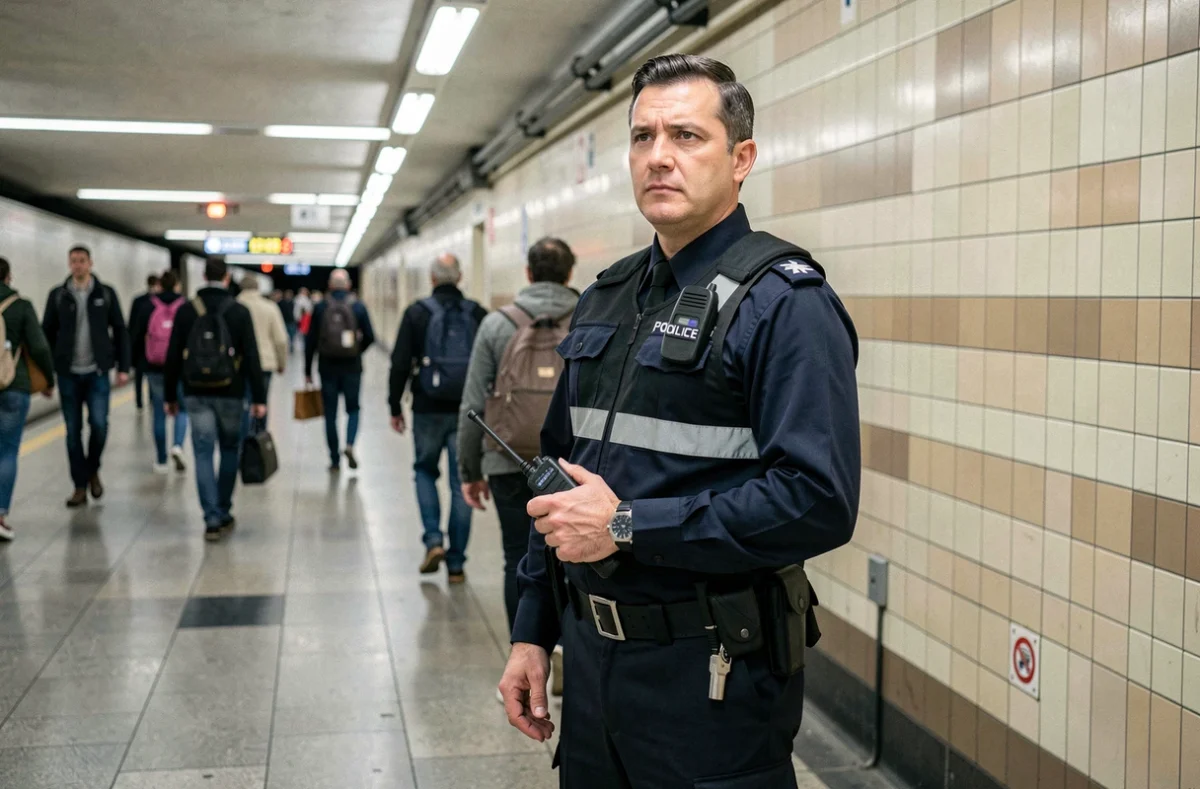
The Châtelet-Les Halles district sees several hundred thousand passages in its connecting corridors every day. This high density of foot traffic, among the highest in Europe, fuels a perception of insecurity that does not always align with available data. Measuring the gap between feelings and statistics helps to better understand what a resident or visitor can actually expect.
Police Reports and Operations at Châtelet-Les Halles: Ground Data
Testimonials shared on forums or in the press often describe a neighborhood left to fend for itself. Institutional figures tell a different story, without denying the problems.
The 2025 report from the Paris Public Tranquility Observatory provides a concrete benchmark. An operation conducted at Châtelet-Les Halles on October 23, 2025, led to 189 citations, primarily for obstructive parking and traffic violations, as well as 62 vehicle removal notices. This type of intervention targets everyday incivilities, not major criminal acts.
Residents who live or work in the Châtelet Les Halles district in Paris clearly distinguish between different times of day. During the day, commercial activity in the Forum and tourist foot traffic dominate. In the evening, the slightest presence of passersby changes the atmosphere, especially in the underground access points of the RER.
Transport Security in Paris: What National Statistics Say
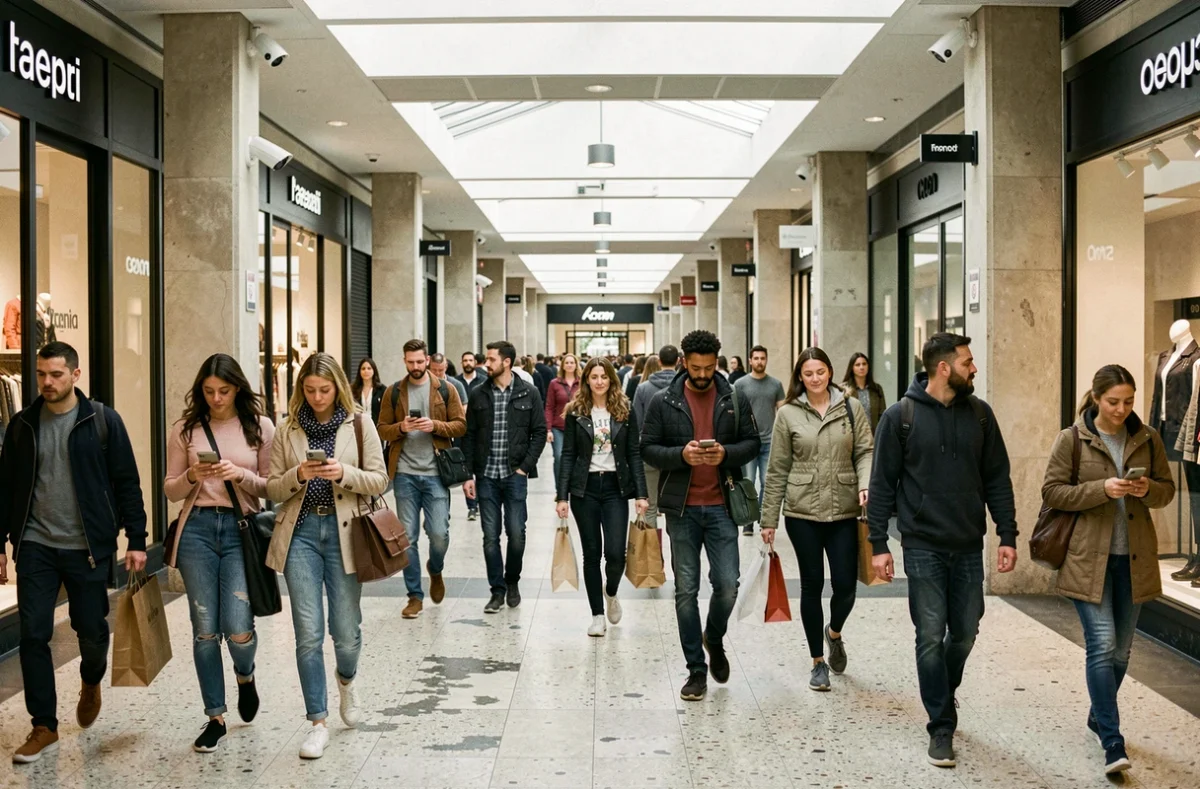
According to a study by the SSMSI published on September 10, 2026, victims of theft, violence, and fraud in public transport reached their lowest level in 2025 since 2016. This data covers the entire national territory.
Extrapolating this figure directly to Châtelet-Les Halles would be a methodological error. The station is a convergence point for five metro lines and three RER lines, making it a unique case in the Île-de-France network. However, the national trend provides a framework: the overall crime curve in transport is trending downward, not upward.
| Indicator | Data | Source |
|---|---|---|
| Victims of theft/violence in transport (national, 2025) | Lowest level since 2016 | SSMSI, September 2026 |
| Citations during an operation at Châtelet-Les Halles (10/23/2025) | 189 citations | Paris Public Tranquility Observatory |
| Vehicle removal notices (same operation) | 62 | Paris Public Tranquility Observatory |
This table highlights a discrepancy. Local operations primarily target minor offenses. The media-covered violent events remain isolated and linked to identifiable circumstances.
Incivilities and Public Space Occupation: The Real Daily Life of the Halles District
Competing articles focus on the question “is it dangerous?” without detailing the exact nature of the nuisances. The Observatory’s report points to a less sensational but more representative angle of daily life: road incivilities and anarchic occupation of public space.
The 189 citations from October 2025 concern obstructive parking, traffic violations, and illegal occupation of roadways. For a resident, these inconveniences weigh more heavily day-to-day than an isolated incident. They reflect a saturated space where the coexistence of pedestrians, vehicles, delivery personnel, and Forum users generates constant friction.
Response Mechanisms and Limits of Security Coordination in Paris
The public response relies on coordination among several actors: Police Prefecture, municipal police, RATP and SNCF agents, and security personnel from the Forum des Halles. This multiplicity of stakeholders creates a visible presence, but residents regularly point out blind spots.
Spot operations produce measurable results (citations, removals), but their deterrent effect remains limited over time. The same issues of parking and occupation tend to reappear quickly after each intervention.
The real challenge for public authorities lies in the permanence of the system. A district that sees so many people passing through every day cannot be secured by sporadic crackdowns.
Living in Châtelet-Les Halles: The Gap Between Perception and Actual Risk
Discussions on Reddit illustrate the phenomenon well. One user recounts that his friends strongly advised him against taking the metro at Châtelet around midnight. He went down, “nothing happened.” This individual testimony proves nothing in itself, but it reflects a recurring pattern: the reputation of the district far exceeds the actual statistical risk.
The feeling of insecurity has a documented gendered dimension. This perception is legitimate, but it does not mechanically translate into a higher exposure to assaults in the available data.
- During the day, the district operates like any central commercial and tourist hub, with a human density that reduces the risks of assault
- In the evening, the decrease in foot traffic in the underground corridors changes the atmosphere without the assault figures showing a comparable spike to the perception
- Isolated events (wild concerts, unauthorized gatherings) create real but time-constrained spikes of tension
The Châtelet-Les Halles district combines massive foot traffic, strong media visibility, and issues of public space occupation. Available data shows that the daily risk is more about incivility than assault. The gap between what the figures describe and what passersby feel remains, to this day, the real public policy issue for this area.